
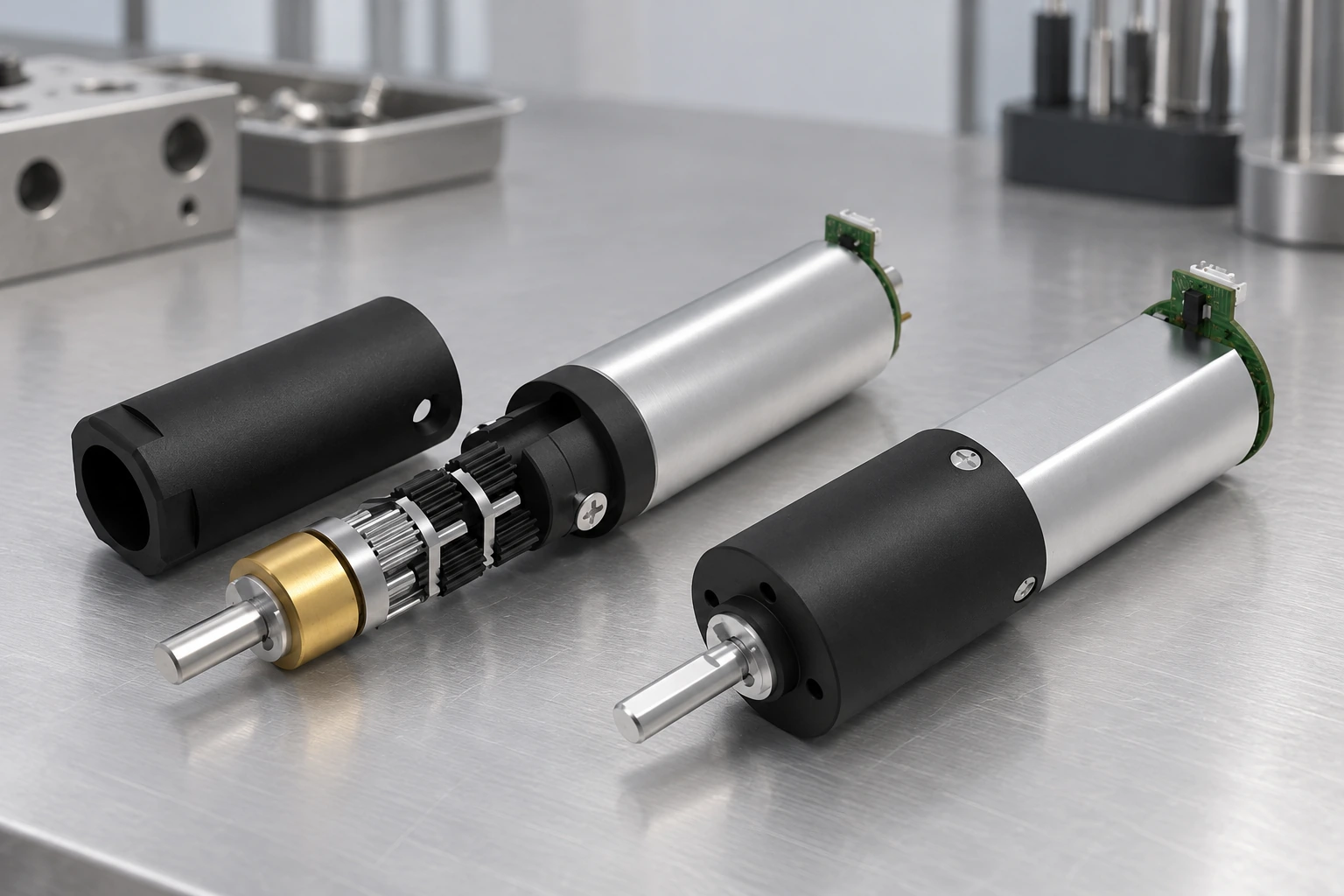
Plastic-gear starts and stops
Match temperature, duty cycle and dose when comparing torque and noise.
- Record
- Gear material, temperature, noise, wear and retention

COFFEE / KITCHEN / LIFT
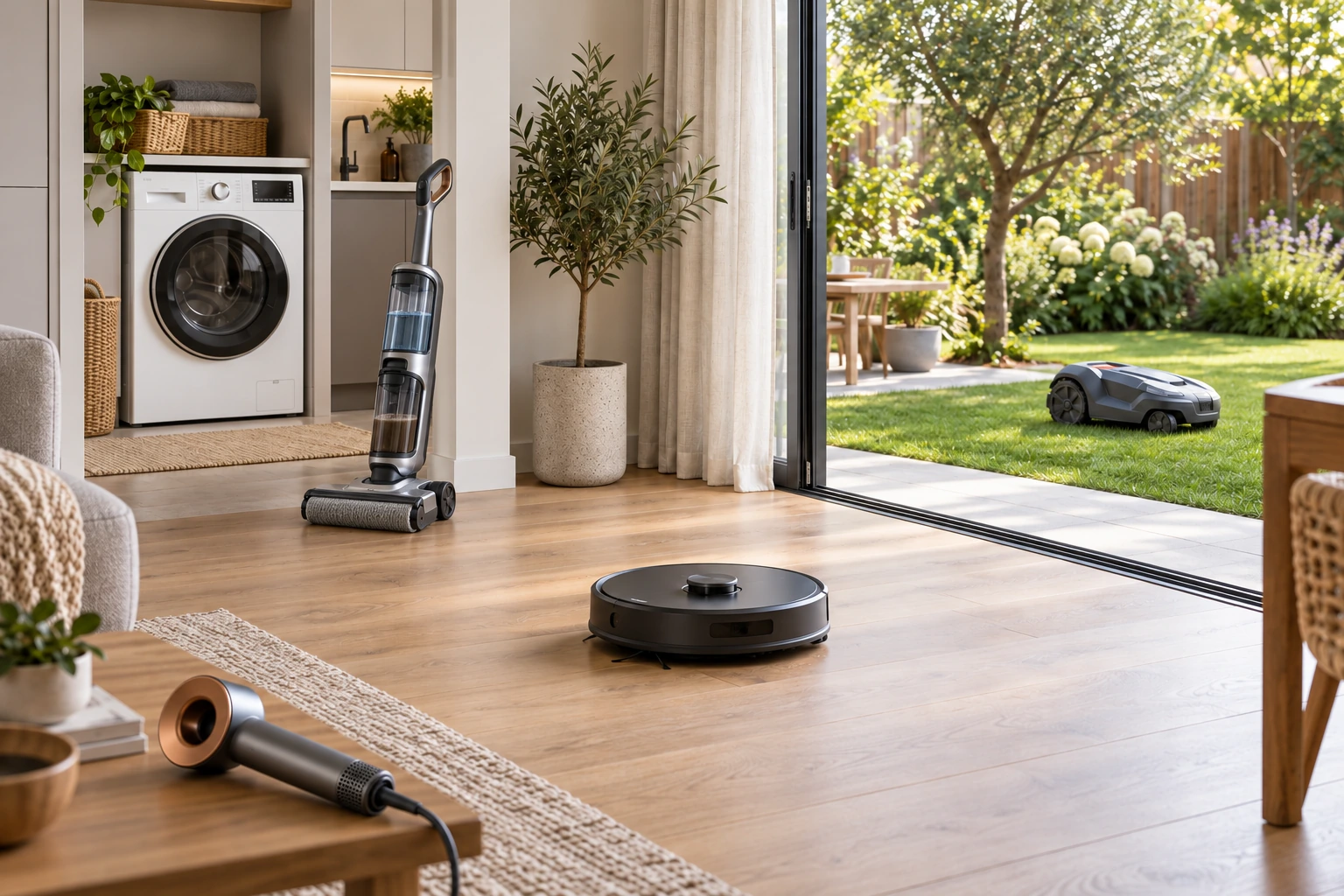
Address appliance drive units involving food machinery, plastic gears, quiet motion and tactile feel.
EXPLORE THE COMPONENT
CONDITIONS TO REVIEW
Gear material, temperature, speed, location and dose
See the test methods ↓Explore the component challengeCONDITIONS TO REVIEW
Target torque, start/stop and temperature effects on feel
See the test methods ↓Explore the component challengeCONDITIONS TO REVIEW
Contact potential, cleaning agents, temperature and use scope
See the test methods ↓Explore the component challengeOPERATING CONDITIONS
Compare before and after material changes under matching conditions.
Match temperature, duty cycle and dose when comparing torque and noise.
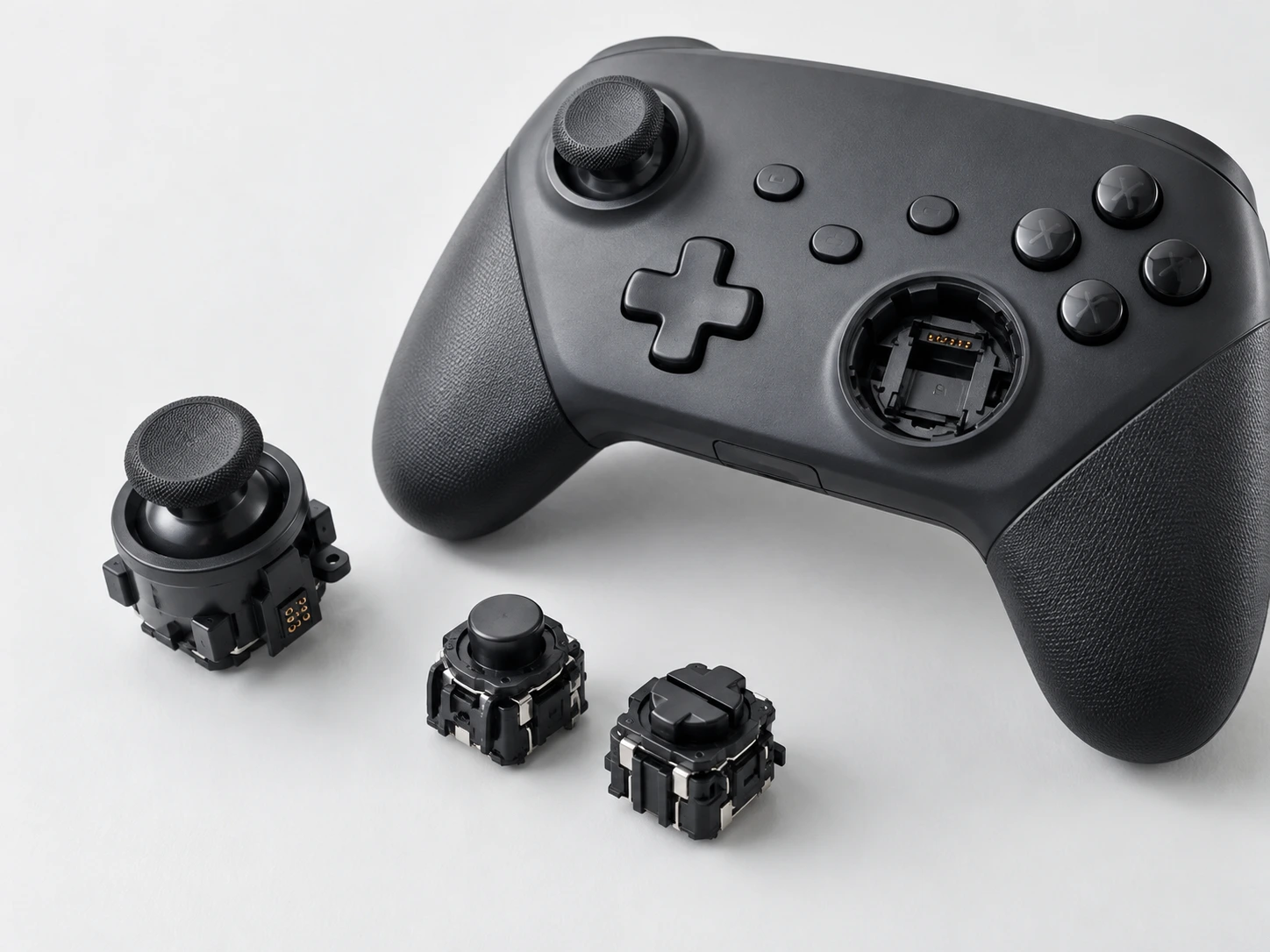
Set control/hinge angle, speed and return time.
Define use location and contact potential and confirm exact-grade records.
APPLICATION TESTING
TEST BRIEF
DOCUMENTS & SAMPLES
Request the information you need for product selection and internal evaluation.
Discuss these requirementsEUBO APPLICATION NOTES · IATF 16949
For each mechanism, define contact materials, angle or stroke, target operating force and water exposure. With controlled dosing, record initial and post-cycle torque, seal condition, migration and leakage. A result for one part does not automatically transfer to another.
No. Damping and holding may require defined resistance. Evaluate closing time and torque at the actual clearance, dose, load and temperature range. Define lubrication and the required damping function separately.